Thursday, April 26, 2007

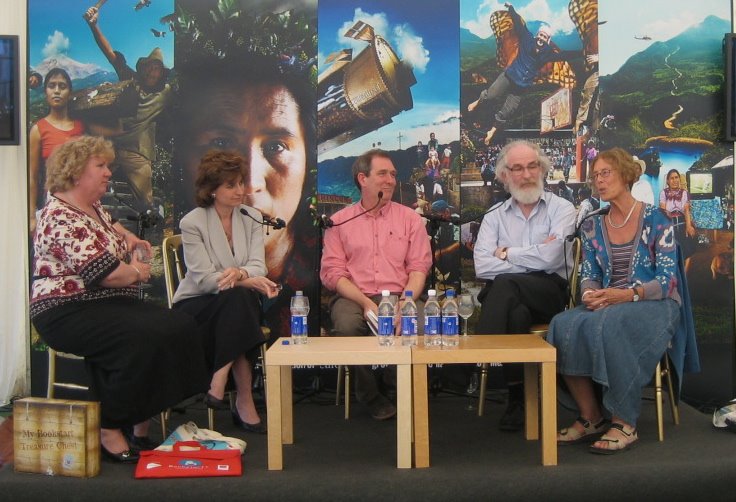
Booktrust's Big Picture seminar at the London Book Fair


There's so much going on at Booktrust currently - major new book gifting projects for children in care, children arriving at school and at secondary school; campaigns to promote picture books and the short story; the challenge issued to Get London Reading; the appointment in June of a new Children's Laureate - I am deeply impressed by the energy and dedication of the Booktrust team.

After seven very enjoyable and engrossing years here I've decided to step down as Director in September, feeling that new skills are needed to lead the organisation through its next phase of development, but I hope to remain connected. Currently I'm working up plans for a project to explore the creative opportunities that the digital age offers to writers and readers, working with the FLO (Friendly Literature Officers group on an event in June on Leadership and Diversity in literature development, and am involved in planning another Booktrust education scheme to promote writing as a life skill. There's lots to do - but time to marvel at how much goes on at Book House these days to help people of all ages and cultures to discover and enjoy reading.

Sunday, March 04, 2007


The Reading Adventures Conference organised by the brilliant Miriam Posner and held in Jerusalem from 19 - 21st February brought together academics and reading promotion practitioners from around the world.

To begin with Prof Stephen Krashen delivered a passionate and witty keynote speech on 'Free Voluntary Reading: the most powerful took in language development.
"Study after study confirms that those who read more read better, write better, have larger vocabularies, and have a better control of complex grammatical constructions."

At the end of the conference Prof. Dr Hans-Heino Ewers argued that "all too often for educational policy reasons discussions about the importance of literary education in the era of multimedia side with the traditional media only."

Between the two keynotes, workshops covered every aspect of reading promotion including: the School Library as a focal point for cultural enrichment for the whole school population; the principles practices and effects of reading aloud to young children; connecting Jewish and Arab children through reading - and much more.

I was there with EUREAD colleagues from Germany, the Netherlands and Belgium, talking about Bookstart and Bookfutures. It was a fascinating week and I'll be writing more about it soon.

Discussions at the bar with Belgian academic Prof. Ronald Soetaert led to the issue of how few rock songs feature references to books and reading. Can you add any to our short list?

Paperback Writer; Day In The Life ('I read the news today oh boy'); (who who who wrote..) The Book of Love; Every Day I Write the Book - Elvis Costello...
Can you think of more? Do tell.

Friday, February 02, 2007

A Million Penguins - The More the Merrier

Penguin has launched its first wiki and in a project called A Million Penguins have created a space where anyone can contribute to the writing of a novel and anyone can edit anyone else's writing.

"Over the next six weeks we want to see whether a community can really get together, put creative differences aside (or sort them out through discussion) and produce a novel. We honestly don't know how this is going to turn out - it's an experiment. Some disciplines rely completely on collaboration, while others - the writing of a novel, for example - have traditionally been the work of an individual working in isolation. But with collaboration, crowdsourcing and the 'wisdom of the crowds' being buzz words du jour, we thought we might as well see if these new trends can be applied to a less obvious sphere than, say, software development." says
Jeremy Ettinghausen, Digital Publisher, Penguin Books.

Penguin are working with members of the Creative Writing & New Media MA at De Montfort University. A Penguin editor is on hand to write regular reading reports on the novel in progress, and the rest is up to the wreaders.

A Million Penguins

Can a community write a novel? Let's find out.

Wednesday, January 24, 2007


FLO LEADERSHIP DAY
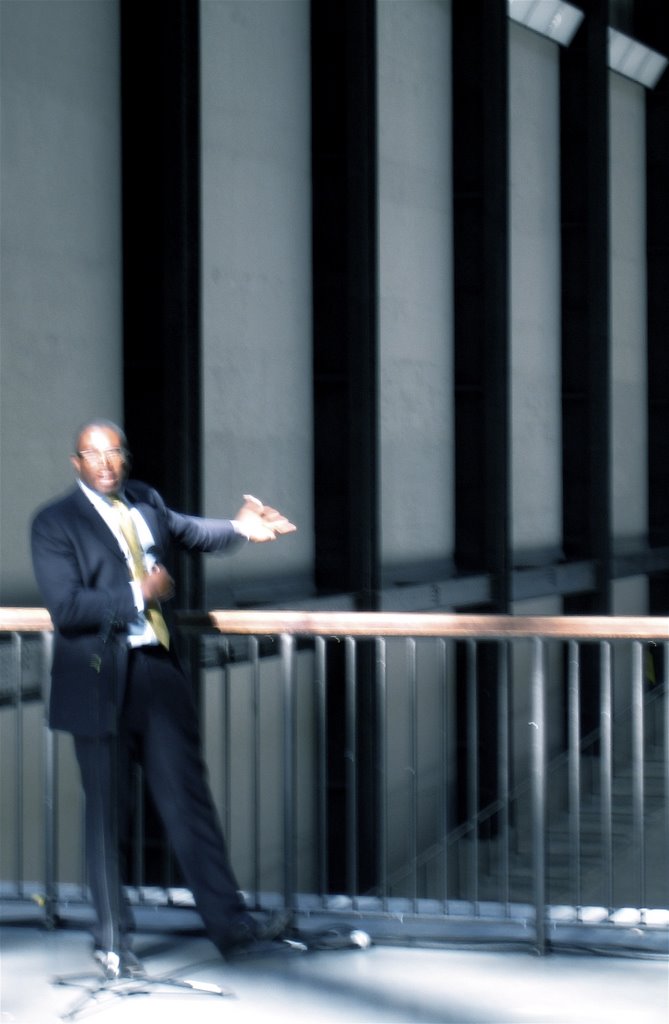
Stephen Page, CEO of Faber & Faber, talks at an event on Literature Leadership organised by the FLO consortium of Friendly Literature Organisations.
Members of FLO each gave short talks on different issues. Here's mine on the future of the book.


As it happens it was the poet Simon Armitage who was the first person to show me an iPod. I thought it was beautiful and snazzy, but just a classy form of walkman.

Actually the iPod was the moment when music stopped belonging on disc or CD or even concert hall and sailed aloft to exist in the ether, ready to be downloaded into our lives in whatever way seems most appropriate at the time.

That’s what’s happening now to words – Google digitising everything they can lay their hands on, Sony bringing out the e-reader, a Cambridge company Plastic Logic making a flexible screen on which you could watch a tv programme, read a short story, search a blog, or do all kinds of inbetween things we’re only just beginning to think about.

So the book is changing, artforms and platforms converging, but what’s that to do with leadership and literature?

We need to lead the way for writers grappling with the ‘transliteracy’ skills they need to make texts which incorporate new media as part of their substance, not just the wrapping.

And we need to be clear about the essence of what readers need, as all the trappings we associate with books transform around us.

But I think the ‘Literature Sector’ is ahead of the field.

We’ve talked for years about creative reading and writing. In the digital age that blurring of divisions between creator and consumer is now taking place across the board.

Other art forms are suddenly grappling with personalisation – turning their staged events into podcasts to be consumed privately in people’s own homes and heads, creating on their computers a ‘bookshelf’ of their favourite cultural product.

But we know all about bookshelves, and the portable, personalised virtual reality generator that is the book.

Film makers are horrified to find everyone churning out YouTube snippets, remixing Star Wars and finding thousands of viewers for a film of teenagers miming to stolen songs. Publishers realise that readers and writers can cut out the middleman and communicate directly...

But Literature Development and Reader Development are practices based on the interactivity between reader and writer.

Back in the 80s in Sheffield we set up Write Back noticeboards in libraries and encouraged users to post their own poems then post their comments on other people’s. We photocopied single copies of anyone’s work and made it free to borrow – looking back it was akin to a manual MySpace for local writers.

Before the blog there were photocopied pamphlets of poetry, before videocasting there were rooms above pubs. Anyone who has run a poetry competition knows about User Generated Content; there is no shortage of poetry out there!

And we’re used to seeing some great writing emerge from that dense but democratic mass of words.

Young poets - like Daljit Nagra, now being published by the illustrious Faber - are likely to have learnt their trade through workshops, contributing to small magazines, appearing at poetry clubs above pubs. Nagra lived in Sheffield so maybe he even came across the Write Back board. Once published, poets like bloggers know they’re still responsible for growing their readership through appearances and wordspreading.

In the NESTA report Ten Habits of Mass Innovation Charlie Leadbetter writes:
“The future of our society should not continue to extend the pleasures of consumerism ad infinitum. Our aim should be to become a society of adapters, contributors, participants and designers, with people having their say, making a contribution (often in small ways) to add to the accumulation of ideas and innovation. A society of mass innovation offers access to a deeper story about freedom and self-expression that will distinguish us from many societies...”
That could be a society modelled on the literature sector.

Saturday, January 20, 2007


EVERYBODY WRITES is a project to promote the importance of writing as a life skill.
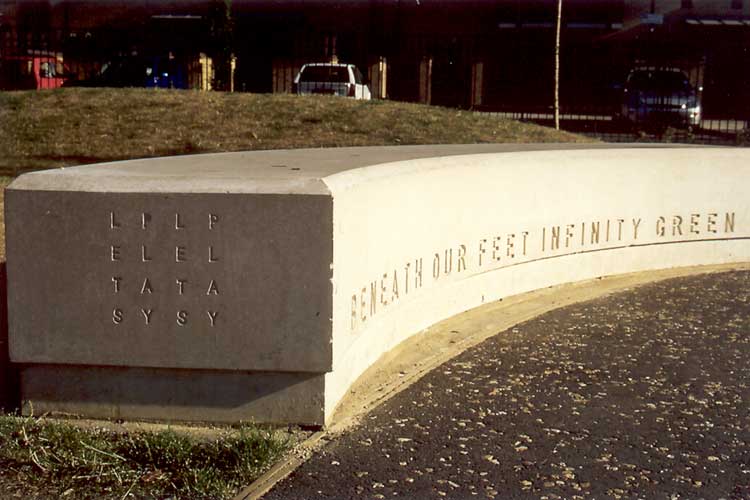
Last friday Allison Edwards and I ran a workshop at the Institute of Education for primary school teachers with actor Toby Jones (currently receiving rave reviews for his role as Truman Capote in 'Infamous'). The session was about creative approaches to making the whole school a 'Writing School' and led to ideas for word benches, poetry gardens, blogs and newspaper projects, letter writing days and much more.

Monday, January 15, 2007


Well it's utterly disgraceful that this is my first Booktrust blog of 2007!
It's no excuse whatsoever that the last few weeks of last year were utterly hectic - including our wonderful children's party at Number 11 Downing Street, exciting news in the pre-Budget speech and the Annual General Meeting when we said a sad goodbye to our wise and supportive Chair, Kim Reynolds, and Trevor Glover, who held the post before Kim and handled this difficult role with great skill.

Today a number of the Booktrust team attended the launch of the Family Reading Campaign at the Oval where newscaster Huw Edwards held court, so let this murky photo represent a year of family reading and glad collaboration between reading organisations.

I have no excuses, but am also in the midst of much planning, which includes thoughts on the direction of the Booktrust blogerama more news of which shortly.

Monday, November 27, 2006


At De Montfort University on the Creative Writing & New Media M.A. last week I worked with a wonderful and extraordinary group of people to explore the potential of new media, and in particular the online tools of Web 2.0 to make stories, poems and hybrids. We were visited by the Penguin blogger too - read all about it here and follow the link to a good introductory set of new media artworks/texts/whatever.

http://www.thepenguinblog.typepad.com

The picture shows Mary, Maryse and Toni at play in the Fuse media lab studio.

Wednesday, November 08, 2006


Question Time at the Comics Cafe - photo from Frankfurt Bookfair

Thursday, November 02, 2006

Today's 4th Booktrust Teenage Book Prize, awarded on the top floor of the Pearson Building, was a wonderful event thanks to the efforts of Hannah, Helen, Katherine and Rosa at Booktrust. The winner, Anthony McGowan for 'Henry Tumour', made a touching off the cuff acceptance speech. Go to www.bookheads.org.uk to find out more about the short story prize, the teen judges, reading diaries and more.

THE BATTLE OF IDEAS at the Royal College of Art on 28th October had a fantastic spirit. I went to debates on Happiness and Money. The 'future of the book in the era of txting' debate which I was speaking at was not so contraversial, but John Sutherland stood up for bookshops and paper against wicked American search engines, while I asserted that the book of the future will remain the book, even if it's digitised and downloadable. Someone said Star Trek presented a bookless future - but maybe Captain Kirk has an iBookreader under his bunk containing an infinite library of great literature. "Transport me to Narnia, Scotty." "Aye Aye, Cap'n."

Another good quote: "Technology is anything invented since you were born." And Alyson Rudd said she has two children and loves them both; it's possible to love books and computer screens too.
My fellow debaters were Michael Caines, editor at TLS; Shirley Dent of Institute of Ideas; John Sutherland; Alyson Rudd,Times Books Group; Jack Klaff. Read what we all said at the Battle of Ideas website.

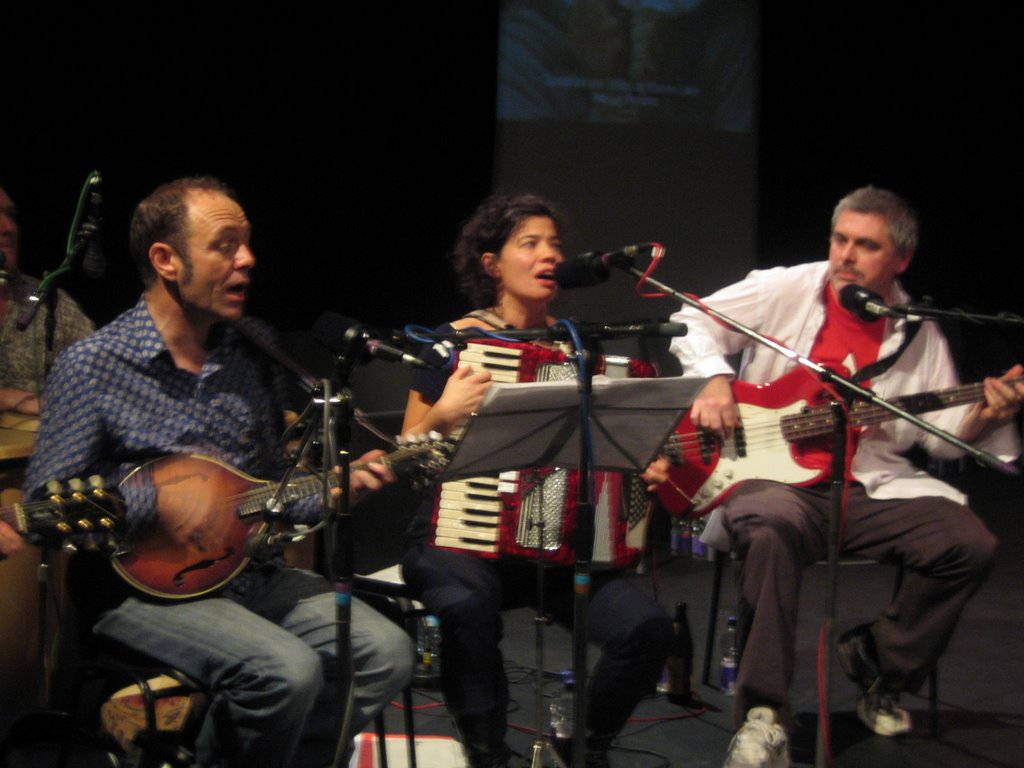
Oh and finally 2 pictures of The Bettertones, featuring Eamonn Flynn, Booktrust's own Head of Finance, on mandolin. We were playing at the launch of The Very Best Of Linda Smith, a much missed friend.

The star studded cast included Arthur Smith, Sandi Toksvig, Phil Jupitus, Andy Hamilton, Jo Brand... and, most impressively, all the newsreaders off Radio 4.


Monday, October 09, 2006


FRANKFURT AND EUREAD

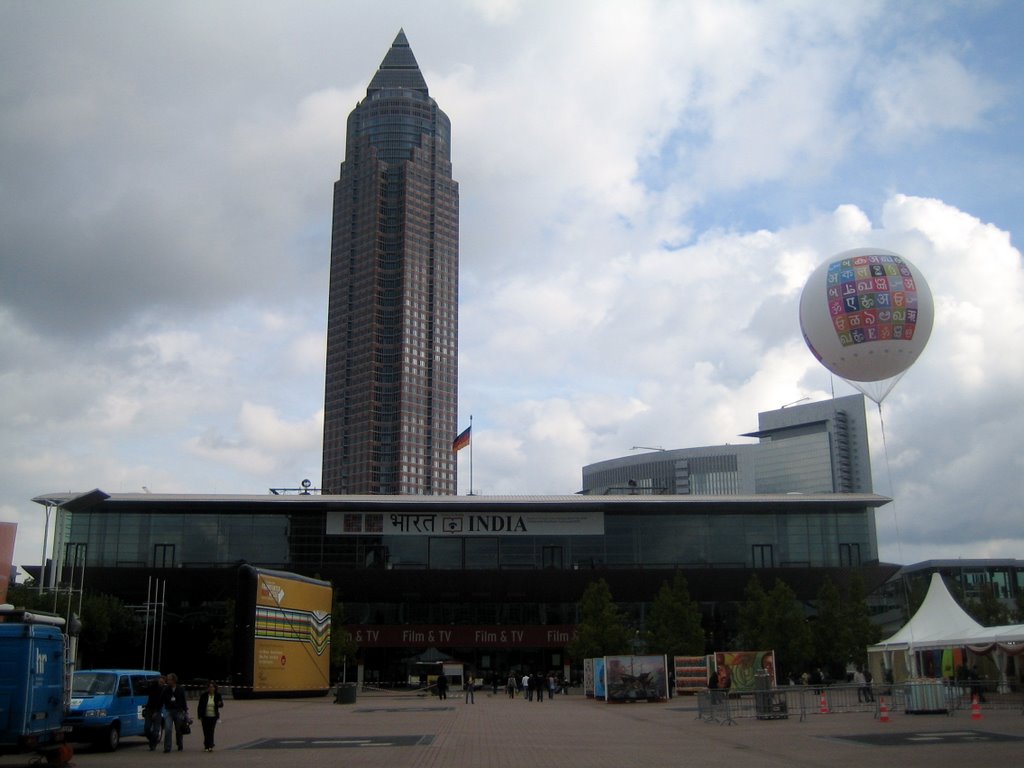
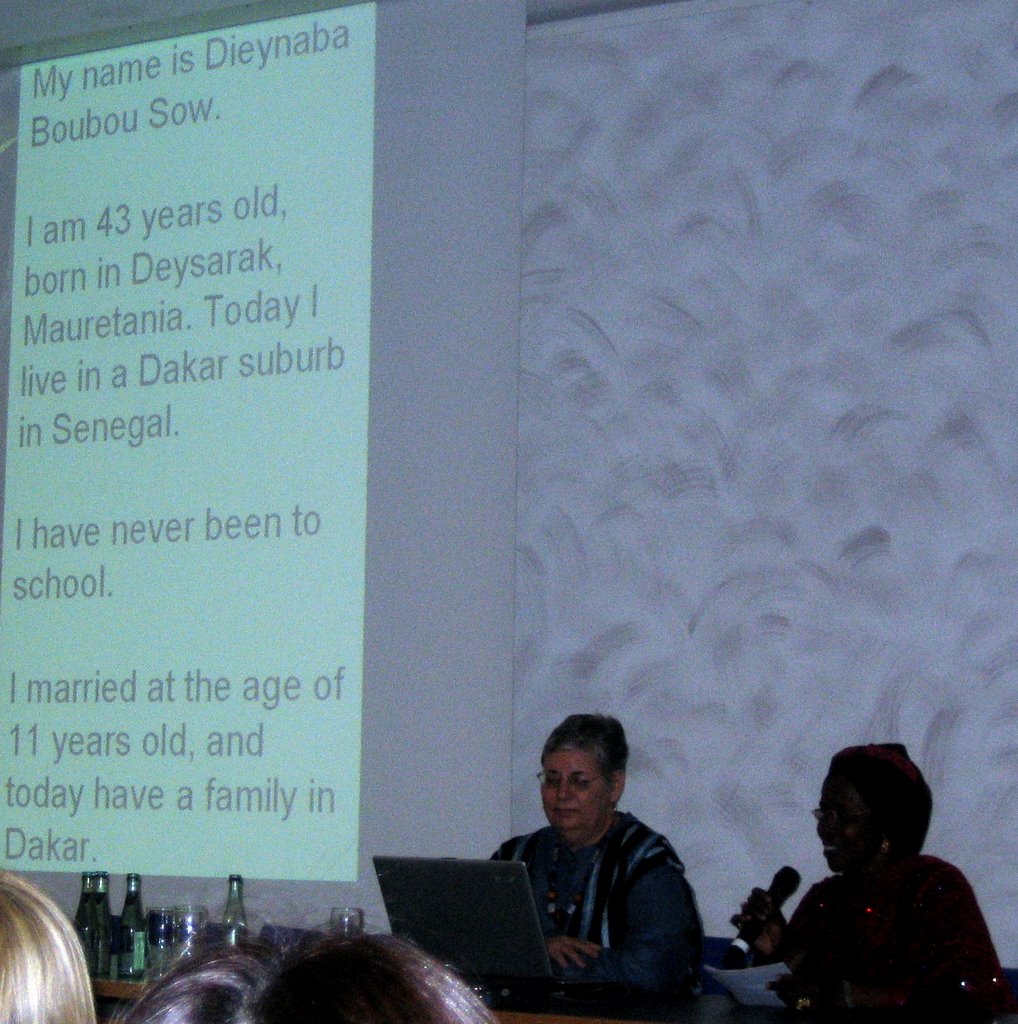
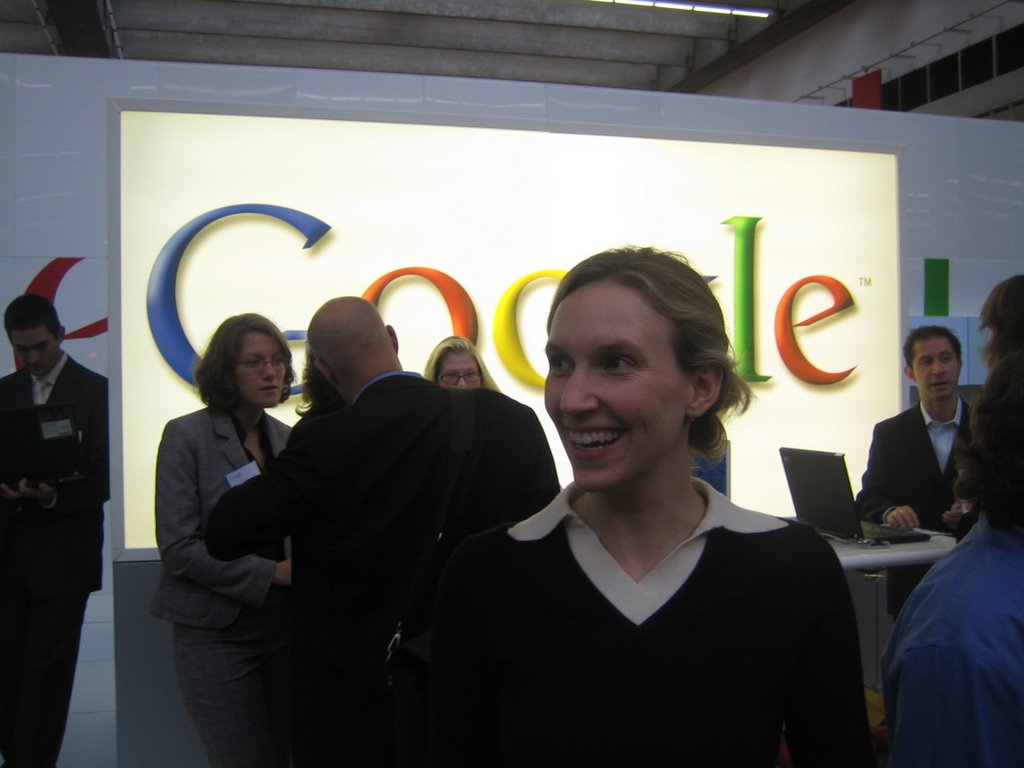
Now Jonathan of the MLA says I don't blog enough and indeed it's true, so here are some photos from my recent trip to the Frankfurt Bookfair where I spoke at the opening LITCAM conference, at the press launch of the Google literacy website (www.google.com/literacy - see what you think) and then went onto Mainz to meet with the other organisations in Eu*Read, another very supportive grouping of reading promotion agencies.


Tuesday, September 05, 2006


Article written for the Battle of Ideas - visit www.battleofideas.co.uk for further information about the event in October.


CAN THE BOOK SURVIVE IN AN ERA OF SOUNDBITES AND TXTING?

Defin8ly. Although we live in an increasingly snippet-driven society, there’s still an appetite for big fat stories, as the success of the blockbusters by J.K. Rowling, Dan Brown and so many others attests. Research commissioned in 2001 by Arts Council England into attitudes towards the short story suggested that readers have a bias against small books and believe Real Literature should take a while to consume.

Whereas we might have expected the screen to have replaced the page by this point in the 21st century, in fact the new media have done wonders for reinvigorating the old. The first dot com success was Amazon books, followed by eBay and ABE creating an extraordinary global, browsable book stall of second hand volumes where nothing goes out of circulation. Google’s modest aim of making all information available to everybody everywhere (well, apart from China) may scare the hell out of copyright lawyers, but sounds good for free reading.

Meanwhile the BBC not long ago spent a good chunk of licence fee money on the Big Read, which in turn prompted Channel 4’s Richard & Judy’s book club, both promoting books on telly with impressive effect. Why? This wasn’t an act of mercy towards a dying form; literary dramatisations may be costly but a few people in a studio chatting about paperbacks makes for cheap TV and happy culture ministers.

Everybody wants to be seen to love books; the Orange telecom company has been an exemplary sponsor of its book prize, and texts its customers to tell them about it. The Man Group are equally generous to the Booker, and the book trade takes for granted that the Arts Council, charitable trusts and other businesses will fork out for campaigns and prizes which directly benefit their book sales.

The Government supports schemes like Bookstart because it’s clear that literacy is still an essential life skill. A troubling survey in 2005 found that one third of the population have no interest in books. The good news is that it’s not only professional book promoters who give a damn; it is widely acknowledged that those lacking literacy skills and reading stamina are seriously disadvantaged in a society where the screen may be replacing the page, but the (spellchecked) written word still rules ok.

Actually it’s sales of the conventional visual media that may be more vulnerable as the young generation scratch, cut and paste together their own entertainment from a digital scrapbook of sounds and images. Only recently has the moving image become as fluid and interactive as words have always been. The digital age makes everything participatory - if faintly repetitive now that so much human endeavour is reduced to clickings on mouses. But when the Arts Council gazed into its crystal ball to talk about the ‘personalisation’ of arts experiences as being one of the challenges to the arts organisation of the 21st century, they failed to notice that literature has always been personal. Why do computer users 'bookmark' their favourites? The analogy of a shelf of well thumbed tomes is the best way to describe our personal list of regularly used sites. Poetry lovers have always tended to both read and write poems, participating in the creative process in a very 21st century way, the continuum between photocopied booklets and mainstream publication being as seamless as the blogosphere.

The underlying fear of dumbing down is that changing patterns of production and consumption encourage a less challenging and rigorous literature. But let’s not forget that there have always been dumb books; others considered dumb at the time of publication have been re-appraised at a later date, and vice versa. The web is good for the most popular and the most esoteric. Online it takes the same amount of time to buy an obscure out of print treatise as it does to get Jordan’s autobiography. It’s the middle ground that’s at risk, the books we don’t think to search for. This problem of how readers and other cultural consumers can find their way through the mass of what’s available is an issue for all forms of art and information.

The book will survive. It might change shape though. At Booktrust we don’t promote sheets of paper with print on sandwiched between card. We are concerned about access to literature, to genuinely creative reading and writing. If Apple can produce a gizmo which provides a better way to imbibe fiction, then Booktrust is happy to encourage the discovery and enjoyment of that too.

We are interested in the experience of creating a world in your head inspired by words.
Having said that, we also promote picture books, audio books, graphic novels, and downloadable e-books. It does get hard to keep fiction in its box, and of course good fiction will always be breaking through boundaries. Academics and writers are already exploring new ways of creating narratives on screen, exploring the web’s interactivity and multi-media nature.

Most hotlinked metatexts are pretty naff so far, but soon enough a masterpiece will be created in a form we can't yet imagine quite, and then the question is whether this artwork will be embraced as literature or new media or something else again. I very much hope that the literary world expands to include these experiments. If it has words in, then it’s part of a tradition that goes back to Caxton.

Why does that matter? Because the word conjures up images and words in your head. That conjuring is done by the author magician with the reader as glamorous assistant - both are fully involved in the creation. The best films and paintings and installations are evocative, but their appearance is all. A book doesn't work until it’s translated into the thoughts of the reader as the words slide through us to trigger meanings. And that process is uniquely stimulating. Books connect with our psyche at a deeper level than other art forms.

Books aren’t yet under threat, but the time spent reading them is. Over 40% of non readers blame this on not having the time. In 2006 few families sit in their lounges before the watershed turning the pages together. Now the times relegated to reading are restricted to late nights, journeys and holidays. iPods have invaded the journey time, but then it is possible to read and listen to music. People seem to spend a massive amount of time looking at their phones, so why not put books on those? A company called iCue has launched a system that flashes up whole novels one word at a time on mobile phones; a dizzying thought, but if it works then let’s go for it.

We need to get written stories on those 'platforms' or else we will risk further erosions into booktime; writers and literature development workers need to keep up the undumbdowning, to crawl all over the new media finding creative ways to exploit its creative potential. And that’s just what has already been happening: webtexts and SMS haikus, txtable summaries of classics and interactive metathrillers.

Paperbacks will survive as well, I have no doubt. They just need rebranding as recyclable, wire-less, portable virtual reality modules, no batteries required.
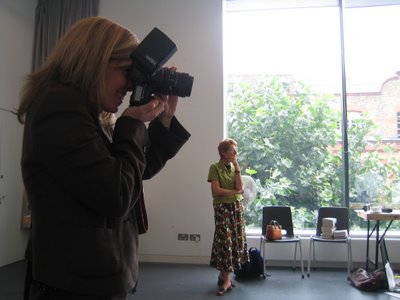

Alex Strick's brilliant work on disability and children's books has culminated in a fascinating report, downloadable from our website www.bookmark.org.uk, which was launched at the Unicorn Theatre by Quentin Blake on 13th July. Books help us all to do what we cannot - to inhabit other bodies, to change our age and gender, to feel what it's like to be somebody else, but it¹s also vital that we can find our actual experiences reflected in fiction. Quentin admitted that while it's now common practice for illustrators to check that their work reflects the multicultural nature of contemporary society, people with disabilities tend only to appear in 'issue' books. I'm sure Alex's report will lead to real change. Meanwhile it was a joy to watch Quentin in the act of creation before our very eyes.


Everybody Writes is a new project in development: a campaign in schools to promote the importance of writing as a life skill. Working closely with the National Literacy Trust and an advisory group including NAWE, The Poetry Society and others, we want to highlight projects, and develop new ones of our own, which show how vital it still is that we are able to expess ourselves in words, whether we aim to make novels or job applications, shopping lists, text messages, love letters... ­ or blogs for that matter. I love this phase of a project, when so many conversations lead to new ideas and potential connections.

*********

- Chris Meade

Sunday, July 23, 2006


I started this blog soon after an Awayweek with a group of Directors from a range of literature development organisations who had met together and found they had lots to discuss. That week was life changing for me, an amazing opportunity to think around work with a supportive and stimulating group who faced similar issues. A year later and we've a) been awarded Arts Council funding as part of their cultural leadership programme and b) our second awayweek, at Cumberland Lodge this time, and involving members of our teams in day sessions on marketing, strategy and 'thinking big', has been as thought provoking and battery recharging as the first. The group currently called Friendly Literature Organisations (FLO for short) includes Chris Hollifield of the Poetry Book Society, Emma Hewett of Spread the Word, Stephanie Anderson of the Arvon Foundation, Geraldine Collinge of Apples & Snakes, Jules Mann of the Poetry Society and Ruth Borthwick, Head of Literature and Talks at the South Bank Centre.

Wednesday, June 21, 2006


I'm determined to find time to add to this blog on a regular basis - but for now some photos of recent goings on including David Lammy, Minister for Arts, launching National SureStart month at Tate Modern (and giving Bookstart enthusiastic support); Rosemary Clarke, Nicolette Jones, Prof. David Crystal and Wendy Cooling discuss 'Getting Bookstarted' at the Hay Festival; Jacqueline Wilson with Nikki Marsh at the Booktrust stand at Hay; Zadie Smith wins the Orange for 'For Beauty'.

Thursday, May 18, 2006

YO SOY EL PUNTO CUBANA


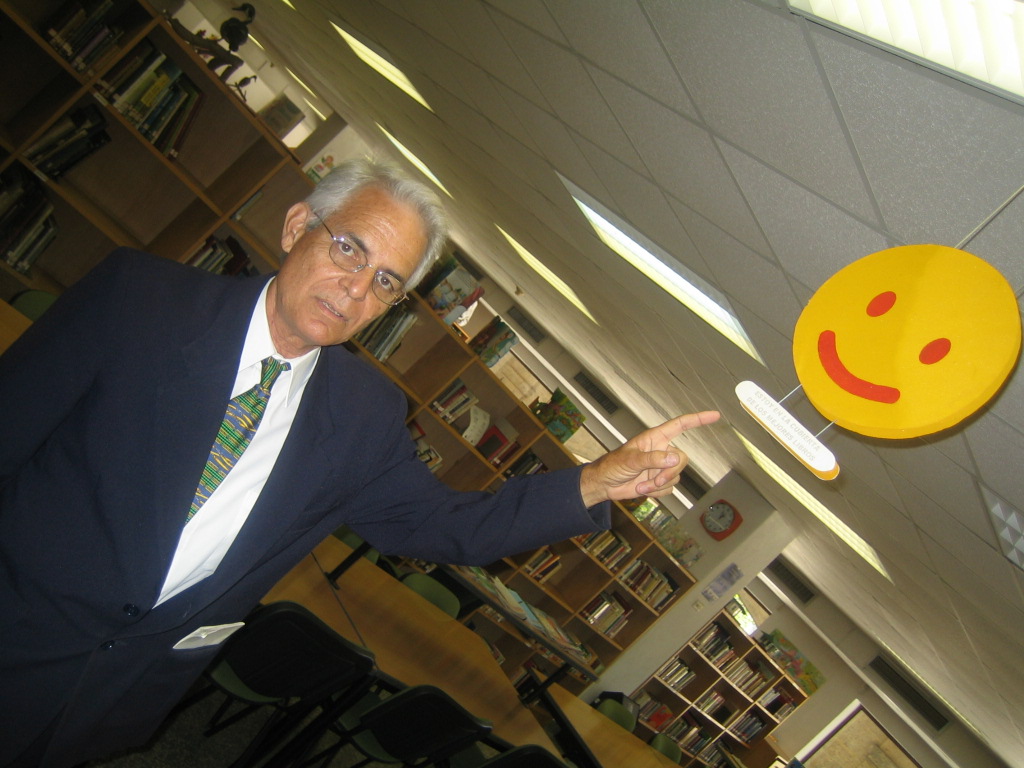
During an amazing holiday in Cuba I spent a fascinating morning in the company of a group of librarians and reading promoters in Havana, including the Director of BIBLIOTECA NACIONAL "JOSÈ MARTI", Miguel Viciedo, Vice President of ASCUBI and Margarita Bellas, President ASCUBI. ASCUBI, the Asociación Cubana de Bibliothecarios. Adrian Guerra Pensado runs the children's library and did a great job as interpreter. He's pictured pointing at the smiley face used as a form of reader recommendation.
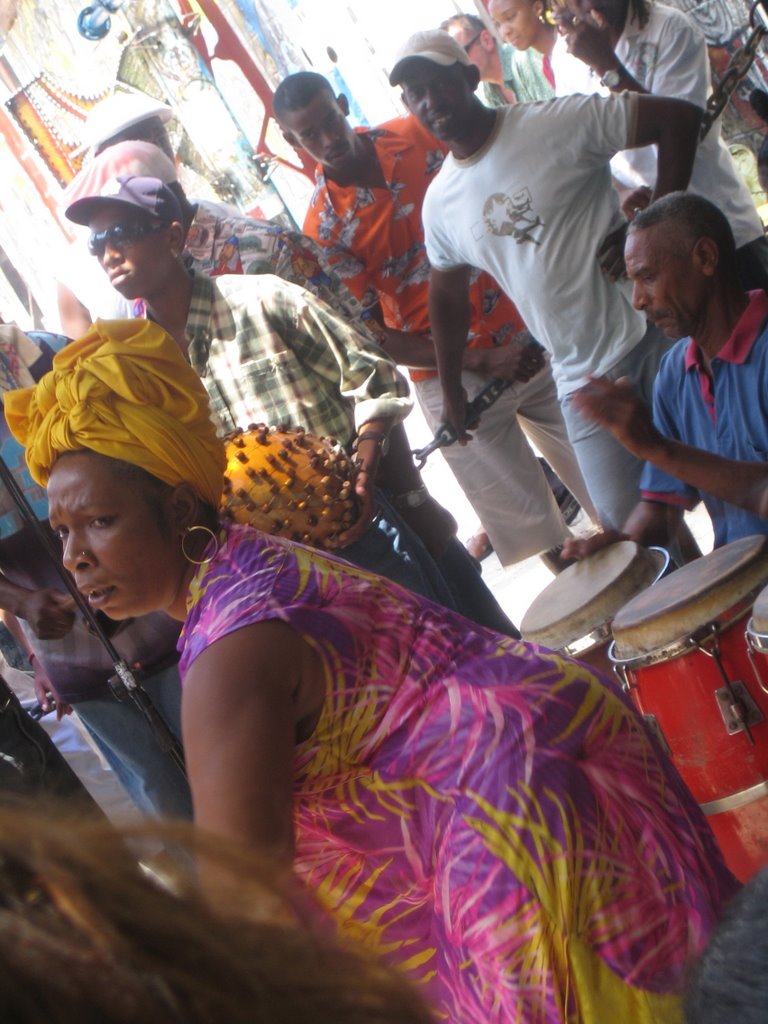
"Everybody reads in Cuba" I was told, and bringing literacy to the people was one of the first tasks of the revolution. I have to say I saw a lot more singing and dancing than reading and writing on the streets.. but then that's what I was looking for. Pictured is a rumba session linked to the Santeria religion.

Tuesday, April 11, 2006


Celebratory cakes on our 'brand new day' - the launch of Booktrust's new logo and brand.

At a recent Arts Council seminar on work with children and young people, arts organisations were presented with the five targets of 'Every Child Matters'.
It's hard to disagree that children should be healthy and safe etc., but shouldn't the arts community be pushing at the boundaries of these definitions?

I've been talking to a range of people about how we in the field of literature development can set out our stall as organisations happy to be working in the education system, but also having an approach all our own.

Here's my reworking of the 5 precepts.Your comments are invited.

Every Child Matters More

Be healthy - and feel free to be strange
Stay safe - take risks in your imagination
Enjoy and achieve - and be prepared to "Try again. Fail again. Fail better." - Samuel Beckett
Make a positive contribution - and always be prepared to kick up a fuss
Achieve economic well-being - but know there's more to life than money

Friday, March 24, 2006


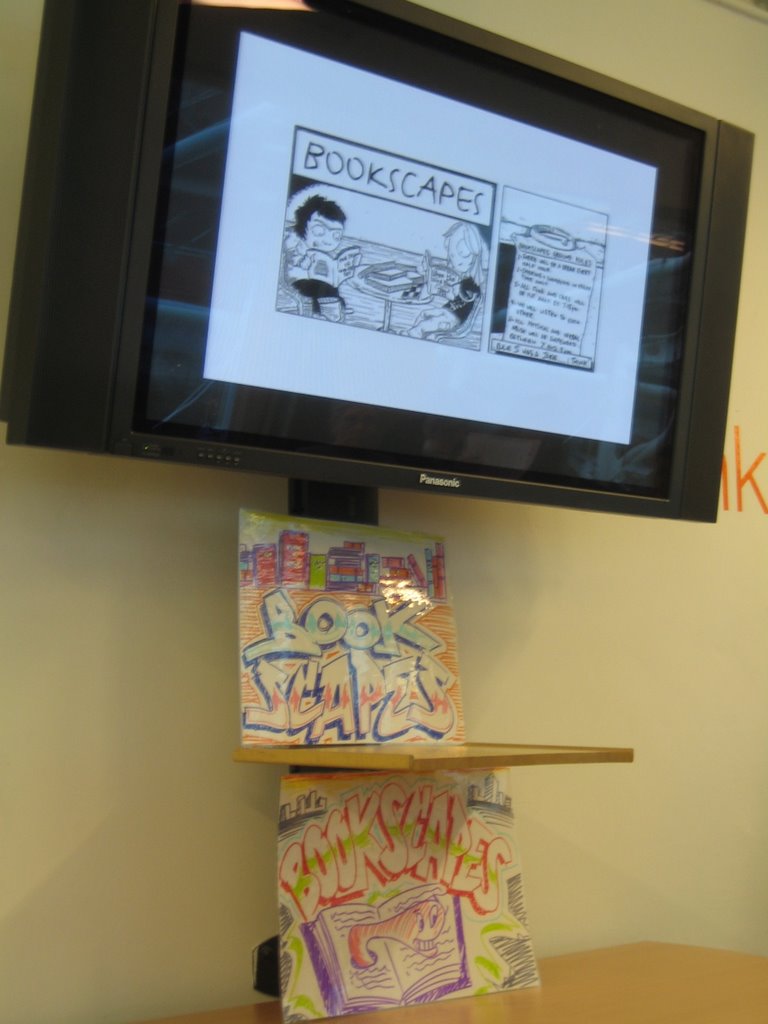
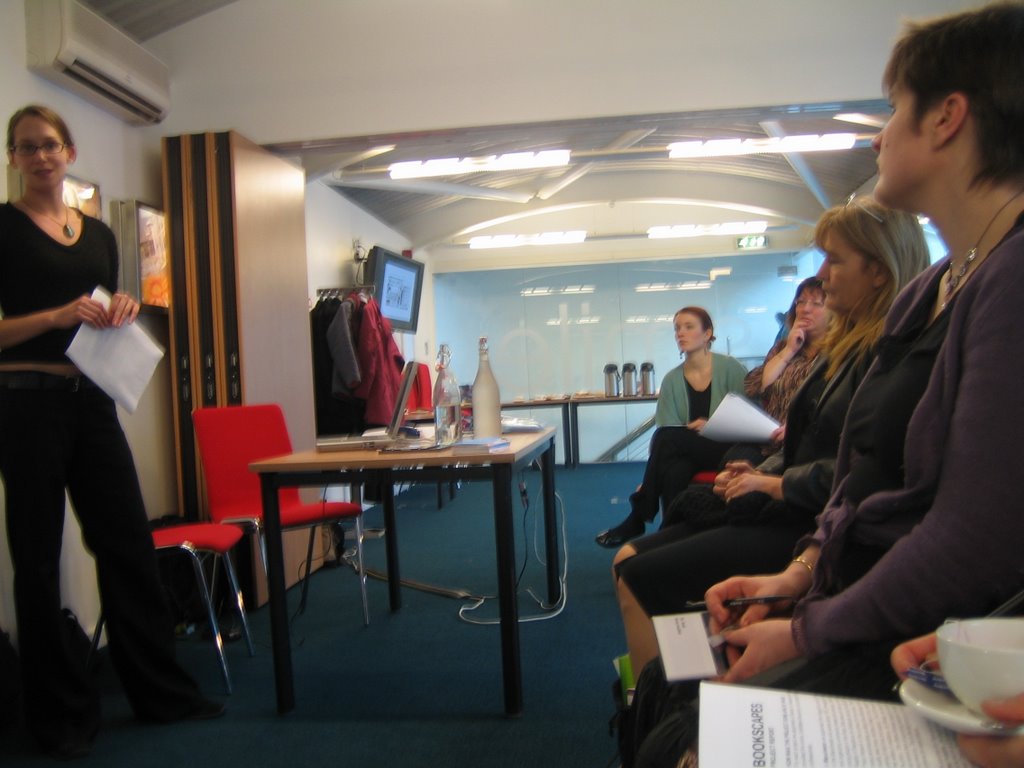
Bookscapes seminar in the Orange Studio, Birmingham.

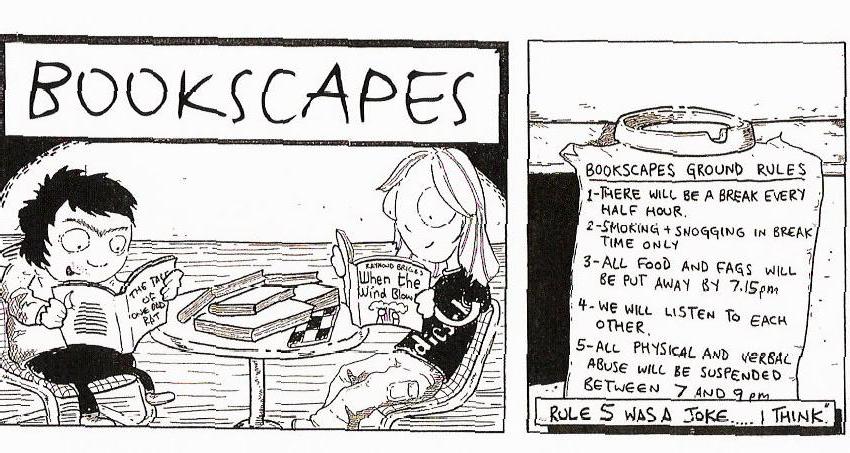
This Hamlyn Foundation funded project, co-ordinated by Yvonne Hook, has been working with 'hard to reach' young people, including travellers, refugees, young mothers and children coming out of care. Readers in residence have encouraged groups to use books as the basis for arts work, making a creative response to what they read.

Here are some comments on the project from those involved:

“Although I know from experience that participants in such projects find a new sense of achievement, I hadn’t expected that the participants would be so enthusiastic about carrying on with the sessions, or that they would be so pleased with their work that they went to find another group of young mums-to-be to come and look. The poems currently under production are also an unexpected benefit from a group who “hate poetry”, and the group’s own suggestion that we should collect these into a book was something I had hoped for but not expected.” Reader in Residence (RIR) Brenda Read Brown

“Considering the barriers to reading and writing (including dyslexia and having English as an additional language) and some of the negative experiences of school, I was surprised at how enthusiastically the group members responded when asked to do some creative writing.”
“Several of the young people started to visit the library in between sessions, for example to use the internet for college work… One member of the group has been into the Information Shop for Young People several times since being introduced to the facility, to get help on multiple issues including applying for college and dealing with the prospect of becoming a father.”
RIR Birmingham Sam Owen

“I certainly did not expect the group to enjoy the project so much. The session with Rosemary Harris, the poet, was an incredible eye opener. Harris did a phenomenal job and so did the group. With enthusiasm and commitment they became poets in two hours and their reaction to the poems they wrote was incredibly moving. As one member said afterwards “I feel I can write anything now”.”
“The group opened up a great deal through the course of the project and, by the end, they could confidently engage with text on a more personal level. Instead of just thinking “what did Stargirl think” they began to ask “what did Stargirl feel?” and “what did her actions reveal about her emotions?” RIR London Elizabeth Bananuka

“They read books! I know this was an aim of the project, but with my group I didn’t actually believe it would happen …but some of the young people actually read the (set) books from cover to cover and others that I recommended to them.”
The comic book they are producing is something they can hardly believe in themselves…Working with Dave (the comic artist) has enabled them to design their frames and produce them to a standard that has surprised them.” RIR Cumbria Zosia Wand

“Adults and younger children were often interested and wanted to join in” and “…inspired through meeting the Gypsy writer, (the community) are exploring the possibilities of bidding for funding for education and employment projects.”
“By arranging for Richard O’Neill, the Gypsy writer, to visit the local primary school and through storytelling explore issues of difference and prejudice it will have supported the school in tackling bullying and discrimination.”
RIR West Yorkshire Jen Kilyon

“The activities during the project have also informed the way she (the resident writer in the prison) plans to work with readers’ groups in the future.” RIR Manchester Kim Haygarth


From the participants:

“This has been a fantastic opportunity for so many women who would normally never think about reading anything more than the TV guide! Thank you!”

“This project has made me a better person, more outspoken and all. I feel more confident in myself now than before.”
"I would not read poetry before - I found it intimidating. But now I enjoy reading it."

“I tackled things I would ordinarily shy away from."

“I would like to share my crazy poetry with the world!”

“The arty stuff was cool.”

Some of the young people also felt that the sessions had helped them in some way:

“Got things out of my head”.
“It’s ok to be different”.
“No matter who you are there are people that are the same.”
“Getting things out in the open.”

Thursday, March 09, 2006

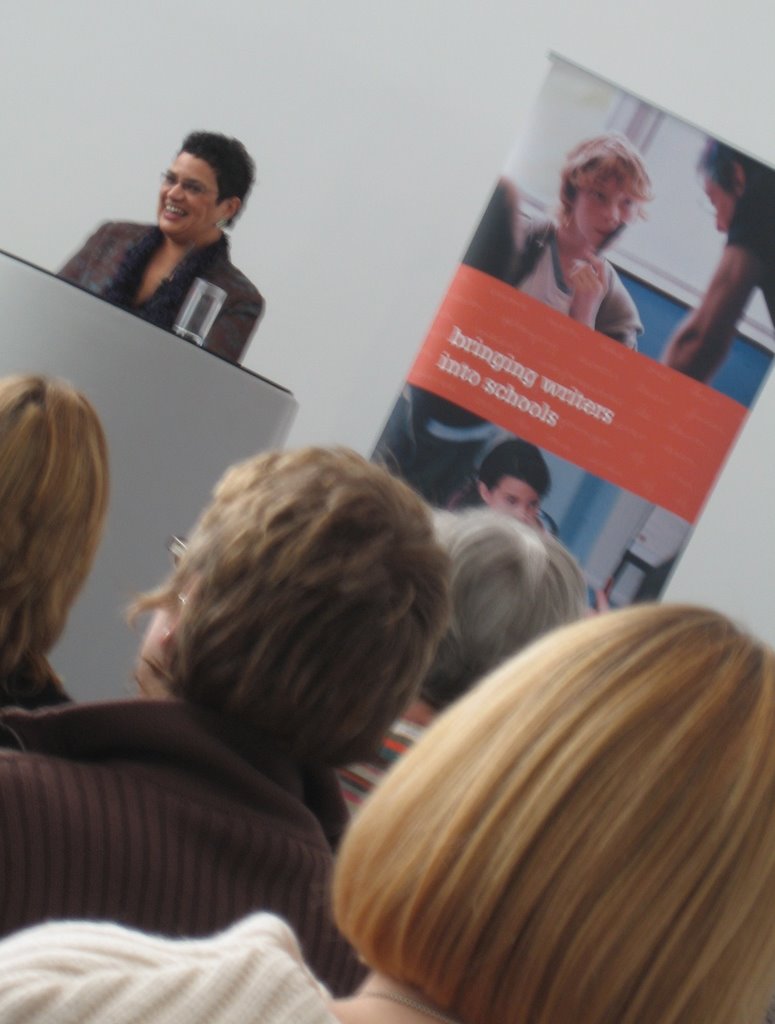
Jackie Kay, our brilliant and hilarious keynote speaker at the Manchester Writing Together conference.


Booktrust's last board meeting was chaired by Alison Morrison of Walker Books deputising for Kim Reynolds, in attendance were Nigel Williams, Treasurer, Sue Horner of the QCA, Nick McDowell of Arts Council England, London plus Booktrust staff Catherine Large, Eamonn Flynn and James Smith.
We have an excellent board - interesting people with useful ideas, loads of experience and a recognition of the complexity of their role in relation to the staff.

Monday, February 27, 2006

I spent the weekend in Koln where they're celebrating Karneval, the midwinter festivity celebrated in Catholic cities along the banks of the Rhine. It involves days of round the clock drinking, singing and wearing fancy dress. The bars, streets and trains are full of clowns, cows, nurses, vampires... and a good number of Pippi Longstockings, with plastic ginger plaits and freckles. It's good to see at least one childre's book character has that iconic status there. Perhaps she should be invited to the Queen's Birthday Bash.

Back in Britain Get London Reading was launched last monday and there have been many sightings of our posters on tube stations, plus extremely good feedback from the Rough Guide to London By The Book which has been handed out at stations, libraries etc. All great stuff. On Thursday we ran the first of this year's Writing Together conferences to encourage teachers to bring writers into schools. Our keynote speaker was Ian McMillan, poet and, according to the New Statesman, the fifth most irritating voice on radio. Personally I think he's a brilliantly funny performer and just the person to leave teachers inspired and excited about the amazing potential for creative writing in schools. I have no pictures sadly of launch, conference or Karneval as my camera battery ran out, so instead here's one from a Writing Together conference years ago: Paul, Frank and Abigail of NAWE, Poetry Society and Arts Council England respectively, all partners in the project.
Thursday, January 26, 2006


Pictures of Teya road testing a new book bag for a pilot project. A dead ringer for a Chris Riddell illustration too don't you think?

Meanwhile my nineteen year old daughter has just set off on her 6 month gap year journey around South America and I'm gutted. If anyone has any thoughts on good fiction on or relevant to the subject of 'Empty Nest Syndrome' I'd love to hear them. And yes, I know the nest may not be empty for long - and I know how many parents are desperate to clear their nests of grown up children, but it's still a big moment.